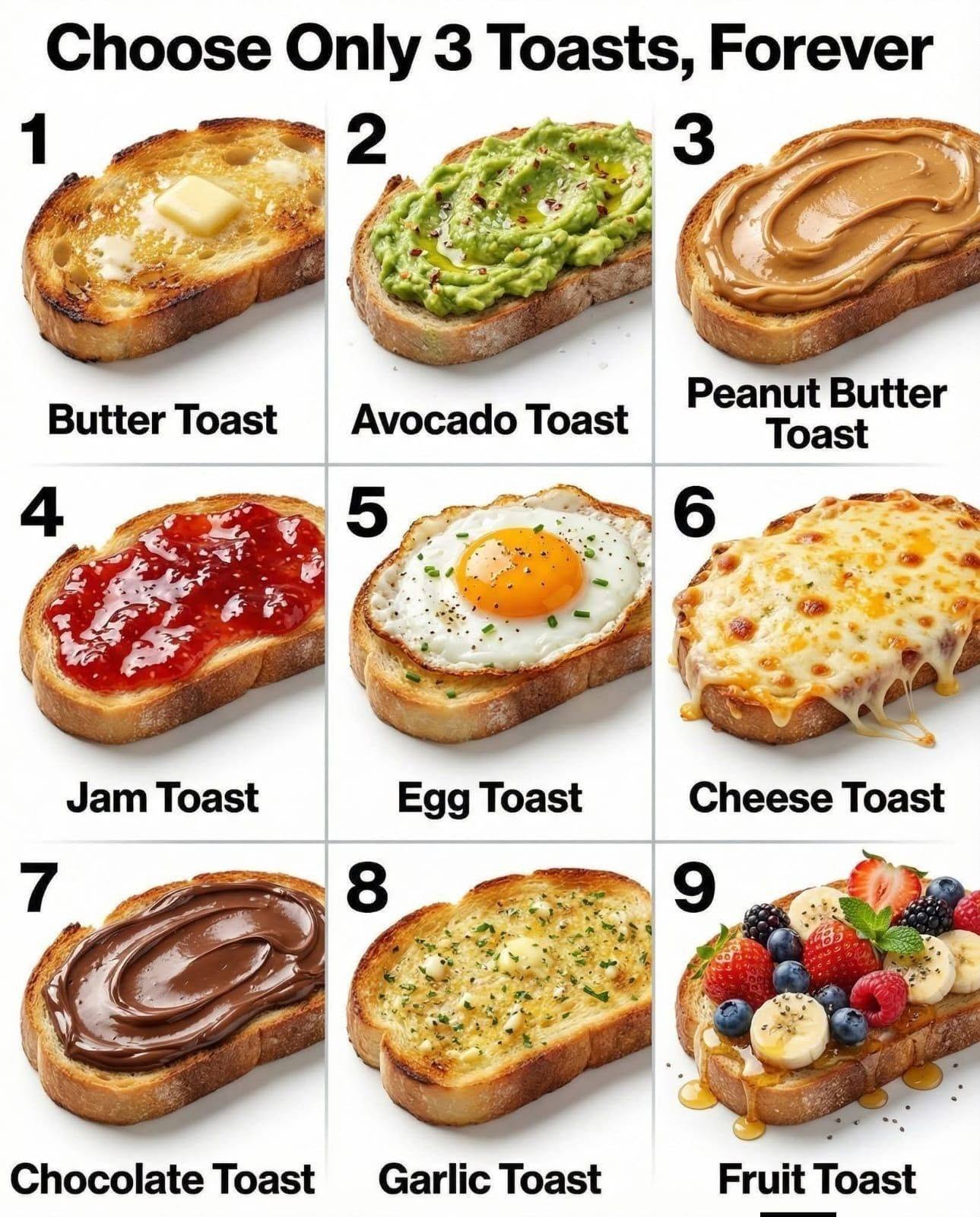
feel “accurate.”
Experts say personality quizzes go viral when they trigger three things:
- Curiosity
- Self-recognition
- Shareability
The result must feel:
- Personal
- Easy to understand
- Emotionally satisfying
- Worth showing friends
That’s why food-themed quizzes work so well.
Food already carries emotional meaning:
- Comfort
- Childhood memories
- Identity
- Culture
- Lifestyle
Toast becomes a personality symbol rather than just breakfast.
TikTok especially transformed personality quizzes into a viral trend.
People now share:
- Their results
- Their friends’ results
- Compatibility comparisons
- Reaction videos
- “This is so accurate” posts
Previous viral quizzes included:
- “Soldier, Poet, or King”