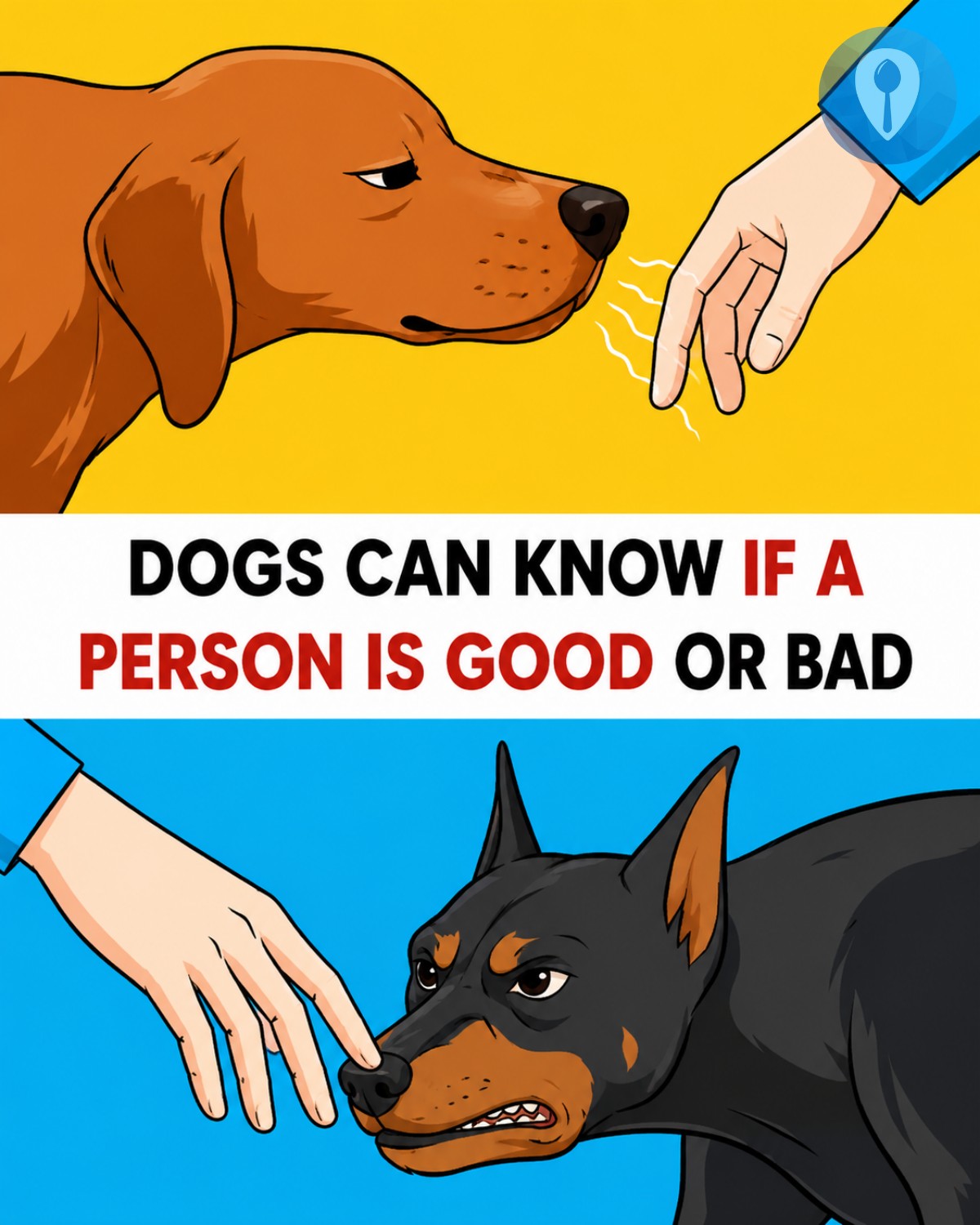
Have you ever heard someone say, “If my dog doesn’t trust you, neither do I”?
Many dog owners believe their pets can instantly sense whether a person is good or bad. Stories of dogs growling at certain individuals while warmly greeting others have fueled this belief for generations.
But is there any truth behind it?
The answer is more interesting than a simple yes or no.
Dogs Are Excellent Judges of Human Behavior
Research suggests that dogs are remarkably skilled at reading human body language, facial expressions, tone of voice, and behavior.
Over thousands of years of domestication, dogs evolved alongside humans and became highly sensitive to social cues. They often notice subtle signals that people overlook.
For example, a dog may react differently to someone who appears nervous, aggressive, angry, or fearful, even if other humans don’t immediately recognize those emotions.
Dogs Can Evaluate How People Treat Others
Studies have found that dogs sometimes show preferences for people who behave kindly and may avoid individuals who act negatively toward their owners.
In certain experiments, dogs were less likely to accept treats from people who had behaved unhelpfully toward their human companions. This suggests that dogs can observe social interactions and form impressions based on what they see.
While this doesn’t mean they understand morality in the human sense, they do appear capable of evaluating behavior.
Why Dogs Sometimes Distrust Certain People
When a dog reacts negatively to someone, there can be many explanations:
- Unfamiliar scents
- Unusual body language
- Loud voices
- Sudden movements
- Past experiences
- Fear or anxiety
- Protective instincts
A dog’s reaction doesn’t necessarily mean the person is “bad.” Instead, the dog may be responding to something that feels unusual, threatening, or unpredictable.
Dogs Read Emotions Better Than Many People Realize
Dogs are particularly good at recognizing emotional states.
Research indicates that they can distinguish between happy, angry, and sad facial expressions. They also respond to changes in tone of voice and can often sense when their owners are stressed or upset.
This ability may contribute to the impression that dogs can “read” people.