Creating and maintaining hairstyles often involved communal activities. Family members and friends gathered to braid, style, and groom one another’s hair, strengthening social bonds and preserving cultural traditions.
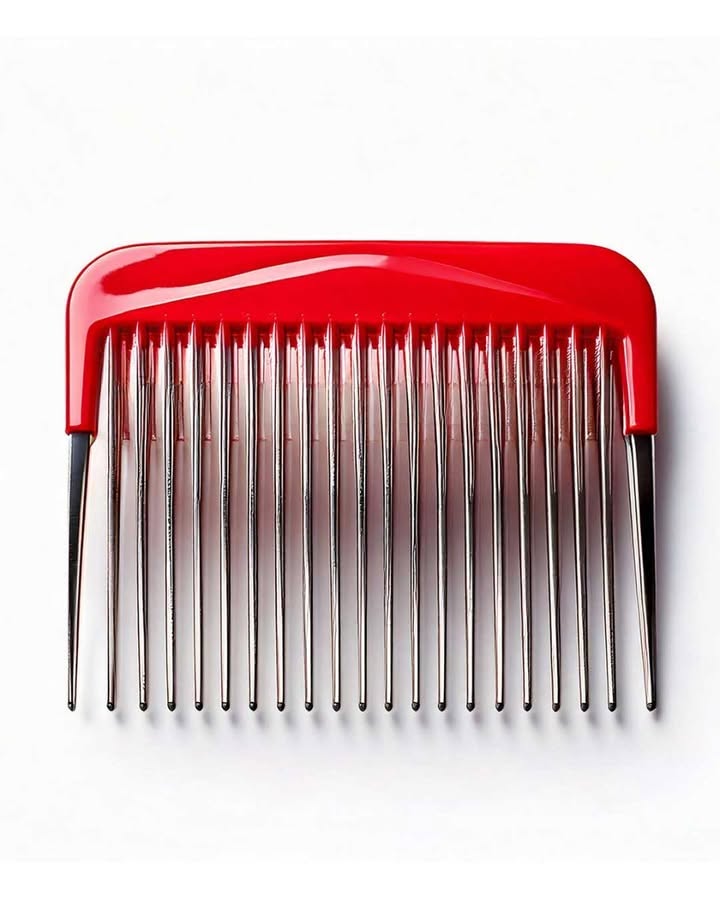
The hair pick became an essential tool within these practices. Its practical usefulness combined with its connection to cultural customs made it an important part of daily life.
The Journey to America
The story of the hair pick took a new turn during the African diaspora. Millions of Africans were forcibly brought to the Americas through the transatlantic slave trade, carrying with them fragments of their cultural traditions despite immense hardship.
Hair care practices adapted over time under difficult conditions. Access to traditional grooming tools and materials was limited, and many cultural customs were suppressed.
Nevertheless, knowledge of hair styling and grooming techniques survived through generations. The need for tools that could effectively manage textured hair remained constant.
Over time, manufacturers began producing specialized combs and picks designed specifically for curly and coiled hair textures. These tools eventually became common in African American communities.
The Rise of Natural Hairstyles
For much of the twentieth century, mainstream beauty standards in the United States favored straight hair. Many individuals with naturally curly or textured hair felt pressure to alter their appearance to conform to these standards.
Chemical straighteners, hot combs, and other methods became widely used. While many people chose these styles for personal reasons, societal expectations often influenced those decisions.
During the 1960s, however, a significant cultural shift began to occur. The growing civil rights movement encouraged many African Americans to embrace their natural features and cultural heritage.
Natural hairstyles became symbols of pride, confidence, and self-acceptance. Among these styles, the Afro emerged as one of the most recognizable.
The Afro celebrated the natural texture and volume of Black hair. Maintaining this distinctive style required specialized grooming tools, and the hair pick quickly became indispensable.
The Hair Pick and the Black Power Movement
The 1960s and 1970s transformed the hair pick from a practical grooming accessory into a powerful cultural symbol.
As the Black Power movement gained momentum, many African Americans embraced natural hairstyles as acts of self-expression and cultural affirmation. The Afro became closely associated with ideas of empowerment, dignity, and resistance against discrimination.
The hair pick played a central role in maintaining these hairstyles. It was used to shape, lift, and add volume to Afros, helping individuals achieve the iconic look.
Manufacturers soon began producing hair picks featuring decorative handles shaped like raised fists.
The raised fist symbolized: